
My first EOC wasn't supposed to be real.
I was sitting in an ICS training course when a major flood hit, and the class became a real activation. When it came time to track the finances, the trainer didn't even know how to start. He told me to open a spreadsheet, and good luck.
So I did. I built a shadow burn-rate system that tracked labor, equipment, materials and other costs, so leadership could see what the response was spending each day. Over time it grew into a much larger workbook.
But every event was different. With each fire, flood and record snow, I had to reinvent how I approached the project and work through all its details again, starting from a blank sheet.
Then came COVID-19. It started in the EOC like any other activation, and after a few weeks the whole operation went virtual. The finance tracking had to work for people who were no longer in the same room.
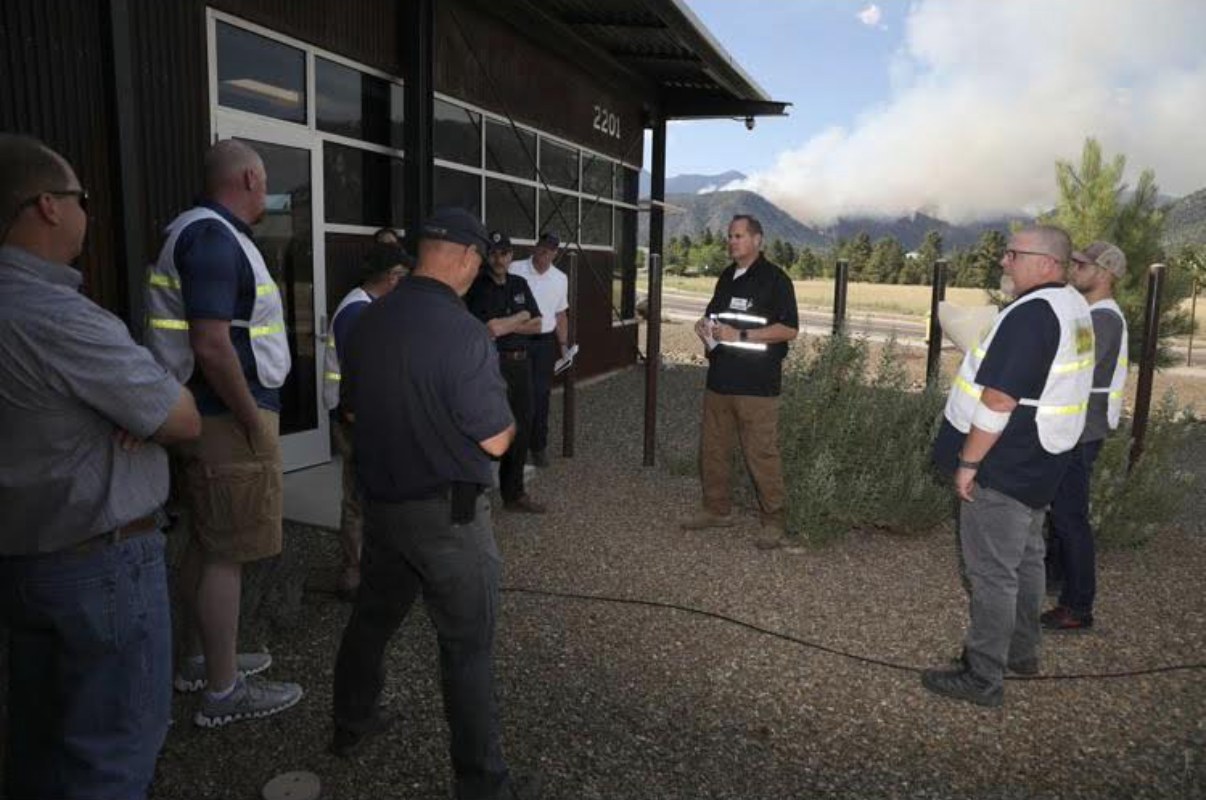
I’ve worked in public administration for over 19 years, and I hold a bachelor’s degree and a master’s degree in Public Administration, both from Northern Arizona University. In the EOC my role was always the same one: Finance Section Chief, through large snowstorms, wildfires that turned into post-wildfire flooding, floods and the pandemic. I completed ICS 300 and ICS 400 along the way.
Field-tested on the Museum Fire (Flagstaff, July 2019), floods, record snow and the virtual COVID-19 EOC, where the methods behind TRACE were worked out.